Bridging Reward Escalation Pathways with Transaction Clearance Speeds in Device-Based Live Table Sessions
Written by Ellis Werner · Oct 22, 2026
Bridging Reward Escalation Pathways with Transaction Clearance Speeds in Device-Based Live Table Sessions
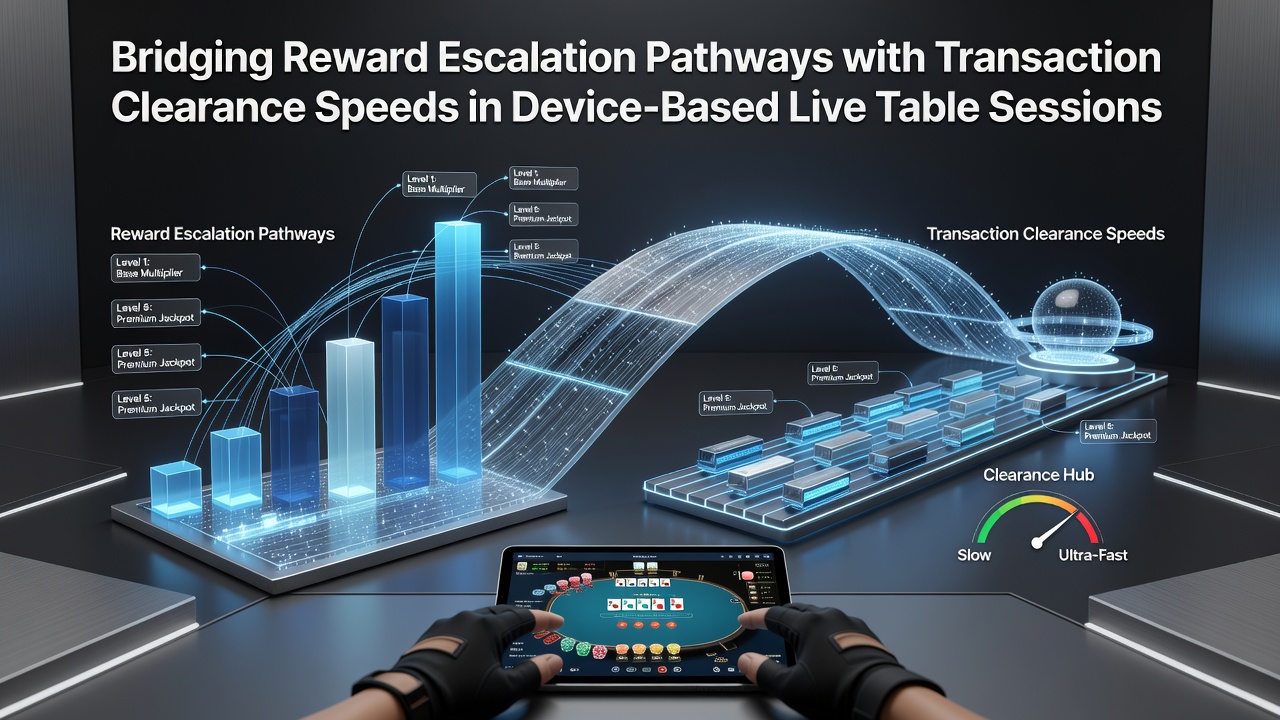
Device-based live table sessions connect reward escalation pathways directly to transaction clearance speeds through integrated payment systems that process deposits and withdrawals in real time while tracking player activity across baccarat, roulette, and blackjack streams. Data from industry reports shows these connections determine how quickly participants advance through loyalty tiers, since verified fund movements unlock bonus multipliers and exclusive table access within the same session windows.
Transaction clearance speeds in portable environments rely on gateway protocols that confirm payments within seconds rather than minutes, and this timing aligns with loyalty algorithms that monitor session duration plus wager volume. Researchers at academic institutions have documented cases where delays exceeding thirty seconds in deposit validation corresponded to stalled progression toward higher reward levels, whereas sub-ten-second clearances allowed seamless tier jumps during ongoing dealer interactions.
Payment Gateways and Loyalty Integration Mechanisms
Payment gateways interface with loyalty platforms by sending clearance confirmations to backend servers that adjust player profiles instantaneously, and this linkage proves essential in live dealer formats where table limits and side bet options expand only after verified status upgrades. Observers note that systems operating on smartphone networks must handle variable latency from mobile carriers, yet optimized setups maintain consistent flows that support both rapid fund movements and escalating privilege grants.
Studies indicate integration occurs through API endpoints that synchronize transaction logs with reward databases, allowing operators to apply tier benefits mid-session without interrupting live feeds. In October 2026, several platforms updated these endpoints to incorporate multi-factor authentication steps that preserve speed while meeting regulatory verification requirements across multiple jurisdictions.
Device Constraints and Session Flow Dynamics
Smartphone and tablet hardware impose specific constraints on clearance speeds because processor loads from video streams compete with payment processing threads, and developers address this by prioritizing lightweight verification modules that run parallel to dealer interfaces. Those who have examined session data find that users on 5G connections experience average clearance times twenty percent shorter than LTE users, which directly influences how fast reward pathways activate during extended live table rounds.

Application architectures separate transaction queues from game engines so that fund approvals proceed without buffering the live video, and this separation supports continuous play even while loyalty metrics recalculate. Figures from regulatory filings reveal that platforms maintaining sub-fifteen-second average clearance rates report higher retention in live table categories compared with slower counterparts, although exact causation requires further controlled analysis.
Regulatory and Operational Data Points
According to information released by the Nevada Gaming Control Board, mobile transaction volumes in live dealer categories rose steadily through 2026, with clearance speed serving as a measurable factor in player progression reports submitted by licensed operators. Additional data compiled by the European Gaming and Betting Association highlights similar patterns across European markets, where standardized reporting now includes metrics on reward activation tied to payment confirmation intervals.
Operators implement tiered escalation rules that require minimum clearance thresholds before granting access to private tables or enhanced rakeback percentages, and these rules function through automated scripts that poll transaction status every few seconds. People familiar with backend configurations describe how failed or pending clearances trigger fallback protocols that pause reward accumulation until resolution occurs, thereby preventing premature tier advancement based on unconfirmed funds.
Future Pathways and System Refinements
Refinements underway include machine learning models that predict clearance delays based on network conditions and adjust loyalty prompts accordingly, while maintaining compliance with anti-money laundering checks that run concurrently. Evidence from pilot programs suggests these predictive adjustments reduce instances where players reach session limits before reward pathways fully activate.
Cross-platform consistency remains a focus area because tablet sessions often show different latency profiles than phone sessions even on identical networks, and developers continue testing unified clearance standards that bridge these gaps without compromising security layers. The connections between reward escalation and transaction speeds continue to evolve through iterative updates that prioritize both speed and accuracy in device-based live table environments.
Conclusion
Device-based live table sessions demonstrate measurable linkages between transaction clearance speeds and reward escalation pathways through synchronized technical systems and operational protocols. Continued monitoring by regulatory bodies and industry groups provides ongoing data on these dynamics as platforms adapt to changing network conditions and player expectations in October 2026 and beyond.